
DFW Healthcare Market Analysis: Why Dallas–Fort Worth Leads Freestanding ER Demand
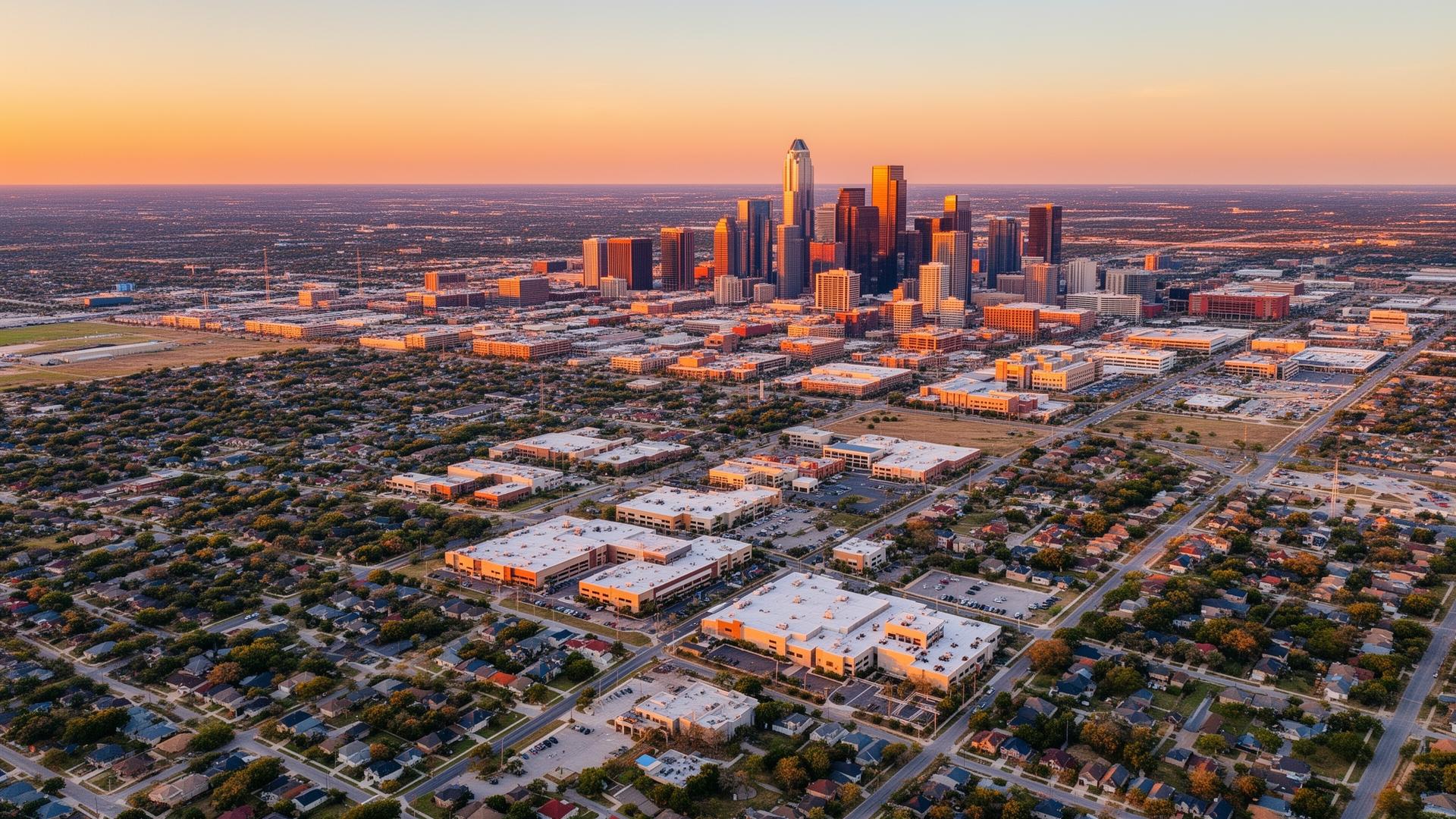
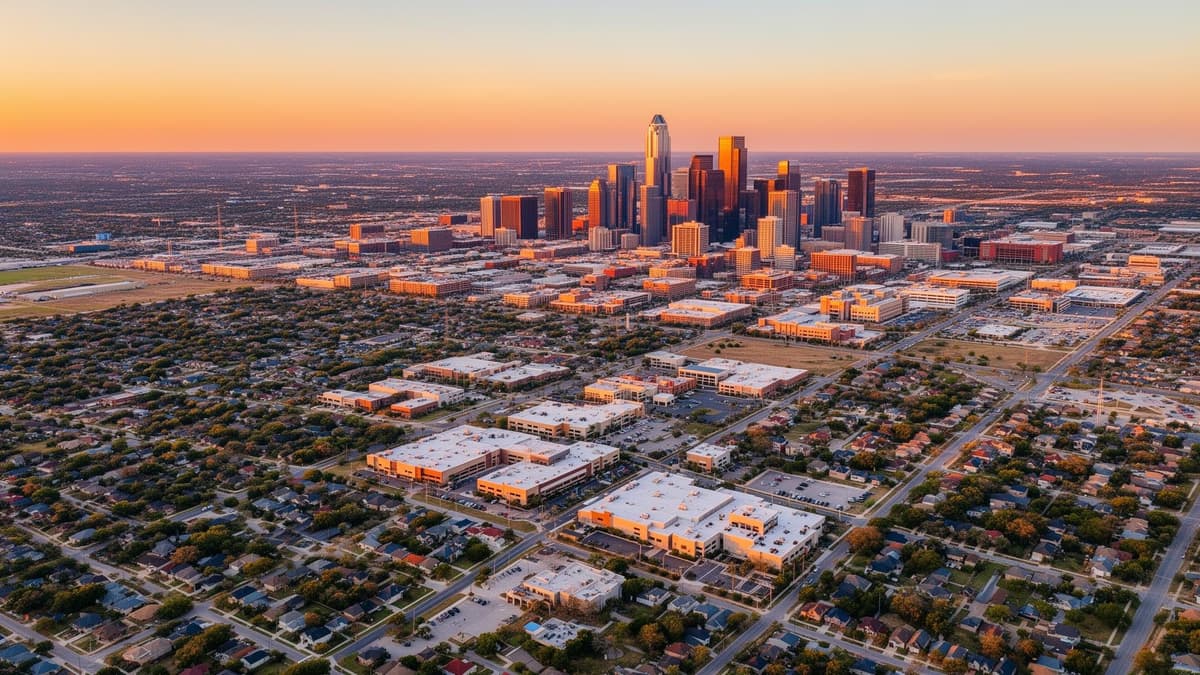
The Dallas–Fort Worth metroplex has quietly become the most compelling market in the United States for freestanding emergency room development. With a population that has surpassed eight million residents and a growth trajectory that shows no signs of decelerating, DFW presents a rare combination of demographic momentum, infrastructure lag, and favourable payer dynamics that together form an almost textbook investment thesis for healthcare infrastructure operators and capital partners.
This analysis examines the structural forces driving FSER demand across the DFW corridor, maps the competitive landscape, and outlines why Focus Health has anchored its Texas operations in this market through our ER of Irving facility.
Population Growth: Scale and Velocity
DFW added more residents between 2020 and 2025 than any other metropolitan area in the United States — roughly 170,000 new residents per year. The metroplex now ranks as the fourth-largest metro in the country, and projections from the Texas Demographic Centre suggest the region will exceed nine million residents before 2030. This is not speculative growth; it is driven by corporate relocations, job creation in technology and financial services, and sustained domestic migration from higher-cost states including California, Illinois, and New York.
Much of this growth is concentrated in suburban and exurban corridors that sit well beyond the effective service radius of existing hospital emergency departments. Cities like Frisco, McKinney, Prosper, and Celina along the US-75 and US-380 corridors have seen population increases of 30–50 per cent over the past five years. To the south and east, communities in Mansfield, Midlothian, and Forney are experiencing similar surges. Each of these corridors represents a distinct pocket of underserved emergency care demand.
Hospital ER Overcrowding: The Structural Gap
DFW's hospital systems — including Baylor Scott & White, Texas Health Resources, Medical City Healthcare, and Parkland — operate some of the busiest emergency departments in the state. Average wait times at DFW hospital ERs routinely exceed four hours, and during flu season, trauma surges, or public-health events, those times can stretch well beyond six hours. Boarding — the practice of holding admitted patients in emergency department hallways due to lack of inpatient beds — compounds the problem by reducing effective ER capacity even when physical beds exist.
Hospital systems are constrained in their ability to respond to this demand. Building a new hospital campus requires three to five years and $300–500 million in capital expenditure. Even building a freestanding hospital-affiliated emergency department involves lengthy approval processes, system-level capital allocation decisions, and multi-year construction timelines. The result is a persistent gap between population growth and emergency care capacity that widens with each passing year.
Freestanding ERs are purpose-built to fill exactly this gap. A well-sited FSER can be operational within 90–120 days of breaking ground, delivering 24/7 board-certified emergency care with average door-to-provider times under ten minutes. As highlighted in our analysis of why Texas leads the FSER market, this speed-to-market advantage is a critical differentiator.
Suburban Expansion and Master-Planned Communities
DFW's growth is not random — it follows a well-defined pattern of master-planned community development anchored by major transportation infrastructure. The most significant corridors include:
- US-380 Corridor (Frisco to Denton): One of the fastest-growing corridors in the state, with large-scale developments including Fields, Emerson, and Light Farms adding thousands of single-family homes annually. Healthcare infrastructure lags residential development here by three to five years.
- US-75 North (McKinney to Celina): McKinney alone has grown from 131,000 residents in 2010 to over 230,000 today. Celina, immediately north, has emerged as one of the fastest-growing cities in the country with populations projected to triple by 2030.
- I-35W South (Mansfield to Midlothian): The southern DFW corridor is experiencing a construction boom driven by distribution centres, commercial development, and affordable housing relative to northern suburbs.
- I-30 East (Forney to Rockwall to Terrell): Eastern expansion continues as families seek larger lots and lower price points while maintaining commuting access to the Dallas core.
- SH-114/SH-121 (Las Colinas to Grapevine): The Las Colinas corridor, where Focus Health operates our ER of Irving, combines high-density residential and commercial development with a significant daytime working population.
Each of these corridors shares a common characteristic: rapid residential growth that dramatically outpaces the construction of new healthcare facilities. Families moving into new master-planned communities expect immediate access to emergency care, but hospital systems cannot match this pace of demand creation.
Payer-Mix Dynamics: A Favourable Profile
DFW's demographic profile creates one of the most attractive payer mixes for emergency medicine in the country. The region's economy is anchored by corporate headquarters and major employers — Toyota, Charles Schwab, Goldman Sachs, Deloitte, McKesson, and dozens of others — meaning a large share of the population carries employer-sponsored commercial insurance. Commercial insurance reimbursement rates for emergency services are substantially higher than Medicare or Medicaid rates, and the concentration of commercially insured patients in DFW suburban corridors drives strong per-visit revenue for FSERs.
The median household income in DFW's fastest-growing suburbs frequently exceeds $100,000, and labour-force participation rates are high. These are dual-income households with families, precisely the demographic that values convenience, speed, and proximity in emergency care. They are willing to bypass a distant hospital ER in favour of a closer, faster freestanding facility — and their insurance covers the visit.
Self-pay volumes in DFW remain manageable relative to markets like the Rio Grande Valley or rural East Texas, and a growing number of FSERs have implemented transparent pricing and payment-plan programmes that reduce bad-debt exposure while maintaining access for uninsured patients.
Competitive Landscape: Where White Space Remains
DFW hosts more than 150 licensed freestanding ERs — the highest concentration of any metro in the country. However, this density is unevenly distributed. Legacy FSERs cluster in established suburbs like Plano, Allen, and Southlake, while rapidly growing corridors remain underserved. The consolidation wave of 2019–2022, driven by regulatory changes and balance-billing reform, removed weaker operators from the market and created fresh white space.
Operators entering DFW today face a more disciplined competitive environment. Success requires not just a good location but also operational excellence, strong payer relationships, and a credible brand. The surviving FSER operators in DFW tend to be well-capitalised, clinically strong, and increasingly institutional in their approach — which raises the barrier to entry but also validates the market opportunity for serious operators.
Focus Health's market evaluation methodology uses drive-time analysis, population-density modelling, household-income overlays, and competitor mapping to identify corridors where demand significantly exceeds current capacity. In DFW, we have identified multiple expansion-ready trade areas with favourable demographics and limited FSER coverage.
Focus Health's DFW Presence: ER of Irving
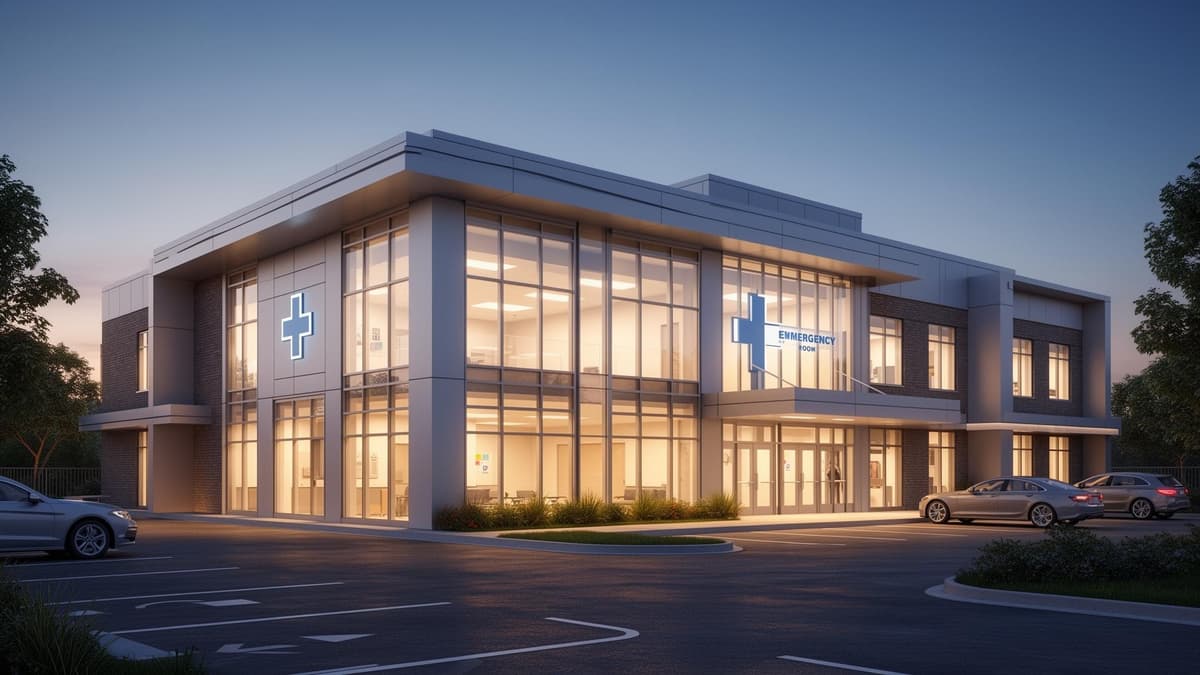
Our ER of Irving facility is the operational proof point for our DFW thesis. Located at 3001 Skyway Circle North in Irving, the facility serves the Las Colinas, Valley Ranch, and broader Irving corridor — one of the most densely populated and commercially active areas in the metroplex. The facility operates 24/7 with board-certified emergency physicians, on-site CT, X-ray, ultrasound, and in-house laboratory services.
ER of Irving demonstrates the core value proposition of the FSER model in a high-demand DFW corridor: shorter wait times, dedicated clinical attention, and a patient experience that consistently outperforms hospital-based alternatives. The facility also serves as a development template for future DFW expansion, with standardised clinical protocols, equipment packages, and staffing models that can be replicated across new sites.
Investment Implications
For investors and capital partners evaluating healthcare infrastructure opportunities, DFW offers a rare combination of scale, growth velocity, and favourable economics. The market's structural characteristics — persistent population growth, hospital ER overcrowding, high commercial insurance penetration, and identifiable white space — create a demand environment that is unlikely to dissipate in the medium term.
Key investment considerations for DFW FSER development include:
- Site selection rigour: The difference between a high-performing and underperforming FSER in DFW is almost entirely a function of location quality — trade-area demographics, visibility, access, and competitor proximity.
- Out-of-network billing readiness: Establishing efficient out-of-network claims workflows, No Surprises Act compliance processes, and independent dispute resolution (IDR) capabilities before opening is critical to revenue-cycle performance and cash-flow predictability.
- Operational readiness: Facilities that launch with fully credentialled physicians, trained clinical staff, and functioning revenue-cycle systems perform markedly better in their first twelve months than those that scramble to build operational capacity post-opening.
- Regulatory compliance: Texas licensing requirements, CLIA certifications, and DEA registrations must be secured before patient care begins. Experienced operators navigate this process efficiently; new entrants often underestimate the timeline.
Outlook
DFW's healthcare infrastructure gap will continue to widen as population growth outpaces hospital construction. The metroplex is projected to add another 500,000 residents by 2030, concentrated in suburban corridors that already lack adequate emergency care access. Operators who combine disciplined site selection with operational excellence and strong capital partnerships will capture disproportionate value in this market.
Focus Health is positioned at the intersection of these dynamics — with an operational facility in Irving, a proven development playbook, and a pipeline of identified expansion opportunities across the metroplex.
Explore the DFW Opportunity with Focus Health
Review our market evaluation approach or connect with our partnerships team to discuss DFW expansion opportunities.